While taking my walk around Bozeman, I couldn’t help but think about the term ‘desire path’ in regards to the De Certeau reading, “Walking in the City.” If you don’t know, desire paths are informal trials that are worn in to the ground, typically in places where they weren’t designed to be in. They’re typically seen in places where people are cutting across or walking around official paths. Many of these unplanned paths can be seen on Montana State Campus.
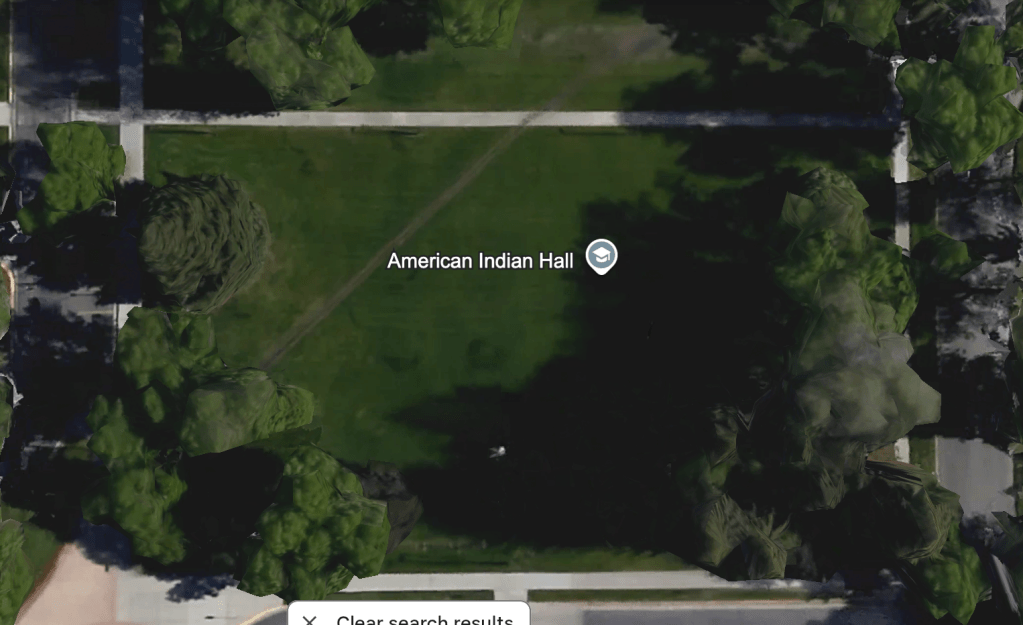
I mention this because I feel like it goes along with the idea that De Certeau was writing about with people diverging from the intentions of how the city was originally planned. What made me think about this was walking in Lindley Park; I found myself taking shortcuts and straying from the ‘designed’ dirt pathway that loops around the park. Also, although there’s no physical manifestation of this, like a worndown path in the grass, I was thinking about jaywalking while strolling through the Bozeman downtown area. More than once, I wanted to go down a different road and instead of walking down to the crosswalk, I would walk across a random part of the road. Which I feel like applies to what De Certeau talks about, as well.
Thinking about this concept in terms of language and speech, it becomes more clear to see how the people in power have designed for language to be a certain way. Those who designed language from the ‘above view’, put in rules like grammar, proper definitions of words, a kind of westernized heirarchy even within language, especially English (certain dialects or accents often being tied to race, class, and power). People navigate and resist these rules by creating slang, telling stories, and code-switching. We as communities, bend the rules, and create meaning in our own way to subvert that power structure of language.
Activity #2

 Emm's Digital Library
Leave a comment