The type of craftivism and activist fibercraft that I was drawn to for this blog was the yarn bombing activism. I discovered yarn bombing when I was outside of the Bridgercare in Bozeman and saw multiple benches and poles covered in tons of multicolored yarn. I wish I could find a photo of the exact yarn bombing instance that I’m referencing but it was multiple variations of pride flags; the colors of the progress flag, the bi-pride flag, as well as the transgender pride flag if I’m remembering correctly. I just remember thinking it was such a cool way to speak out about something and it made me look in to yarn bombing as a way to be an activist.

While I was reading through Subverting to Survive and Taking Yarn to the Streets, I was engrossed by just how deeply the rhetoric and visuality of these acts of craftivism can be. When I think of crafting in terms of knitting or crocheting, I don’t typically associate it with activism, but more as a hobby to make cute blankets or clothing items. From reading these articles, its obvious how yarn bombing can take urban spaces and transform them into sites of resistance and expression. Even though there’s not necessarily a communication through text, there’s still so much being said, whether about gender, sexuality, community, labor, etc. Personally, I think it’s so important to expand the definitions of writing by including these visual compositions such as yarn bombing. There’s always going to be an inherent place for learning how persuasion and rhetoric can be seen in the embodiment of something or the environment, not solely through language. If we limit our modalities, we limit our understandings of the world.

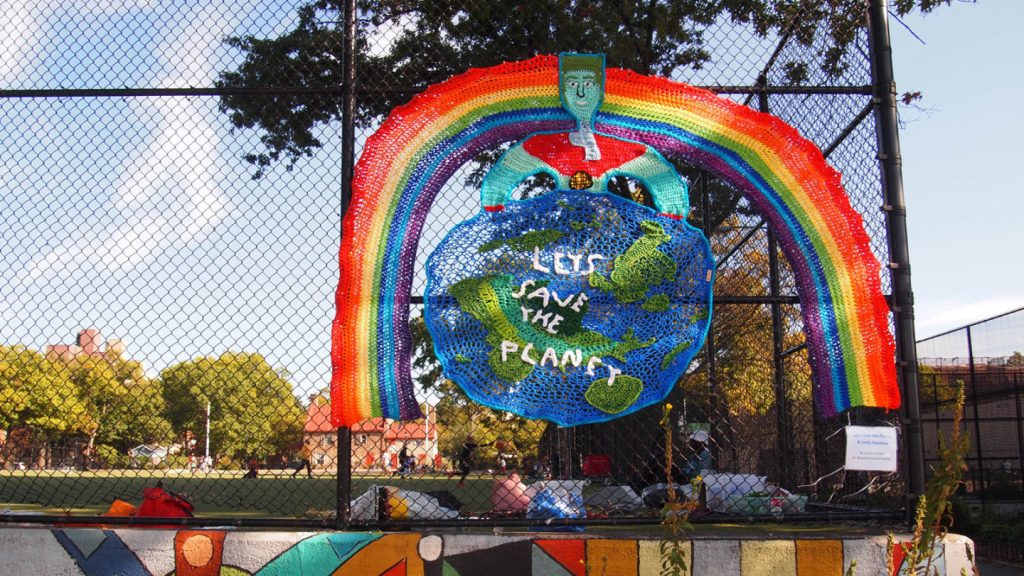
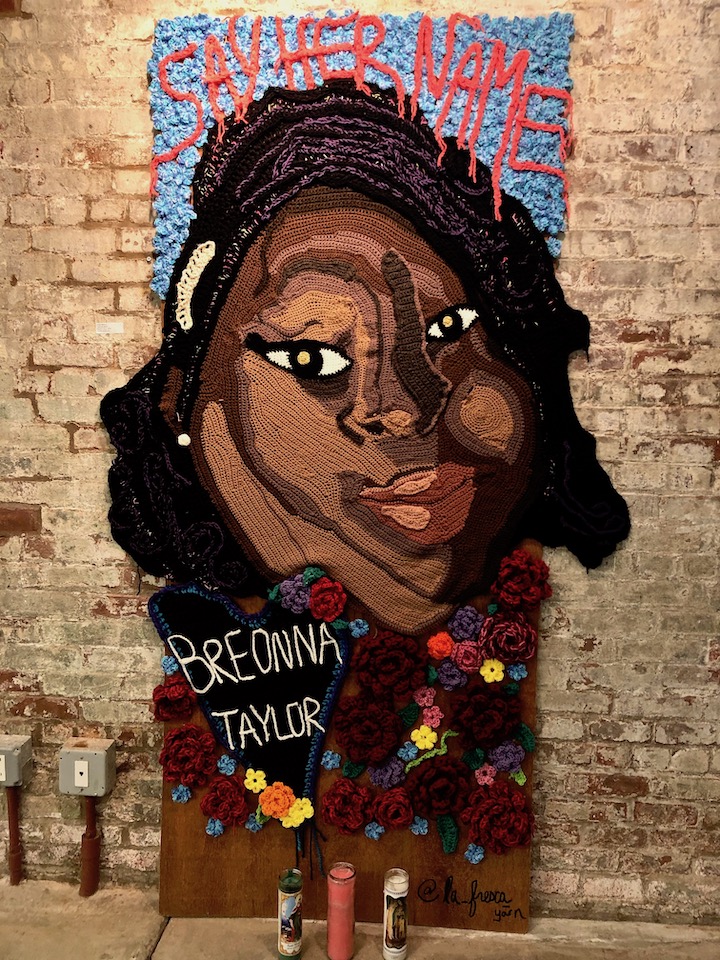
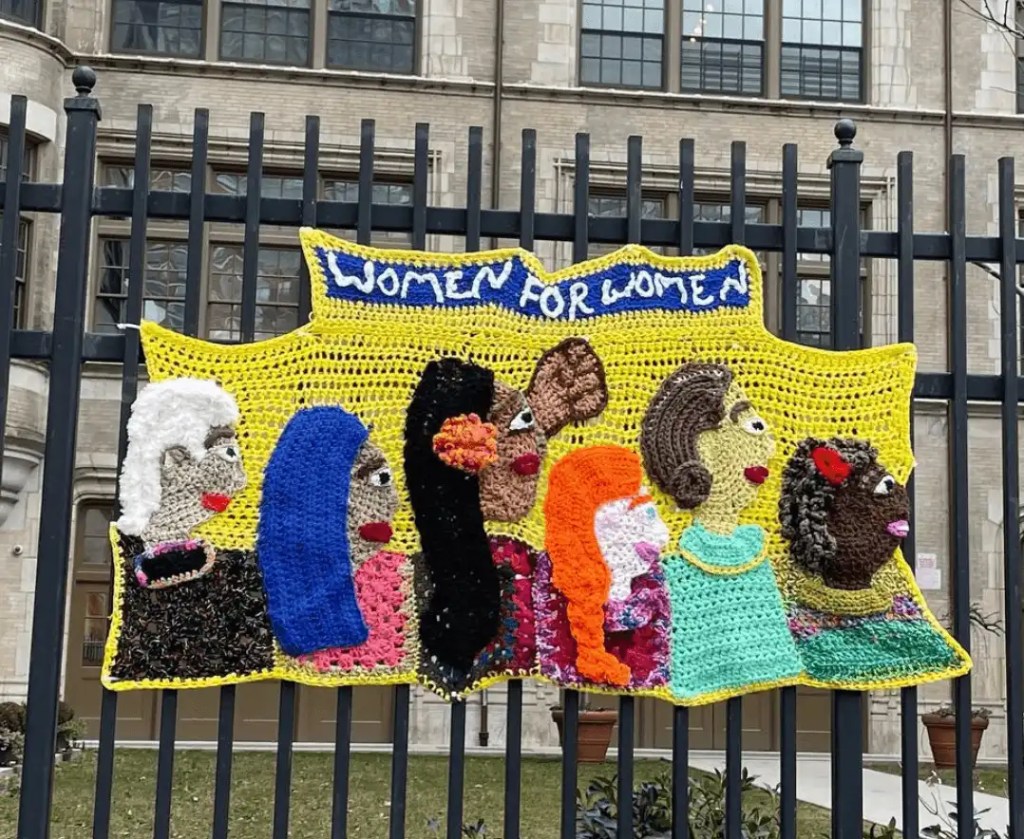
Being a literature major, there’s obvious things to learn from these communities and crafts. Something that many of my classes focus so heavily on is how authors rewrite or challenge dominant narratives within literature, which I think yarn bombing is doing in its own way, too. When thinking of my own communities and creating arguments, the most prevelant thing that comes to mind is memes. Since everyone is online at some level, it’s a great way to speak up about issues in a short-form way. Most memes depend on shared cultural references and reusing old images to make new arguments. An example that sticks out to me, are memes about student burnout and the stressful experience of being a student in general. While these memes can be lighthearted and funny, they can also signal the underlying institutional pressures that students are placed into. These memes argue in the same type of way that yarn can argue.

Overall, I think these readings made it abundantly clear that writing doesn’t need to stay on the page, it’s important for it to merge into different modalities.
Blog #6

 Emm's Digital Library
Leave a comment