The artifact that I traced online was the ‘ALS Icebucket’ challenge that was curculating the internet in 2014. This challenge was a challenge to dump an ice-cold bucket of water over somebody’s head, video it, and then post it and nominate other people to do it in the span of 24 hours after. On top of this, people were donating to the ALS Association and raising more awareness of amyotropic lateral sclerosis. The challenge raised over $115 million to support the cause. This begun as a small-level challenge between friends living with ALS, Anthony Senerchia, Pat Quinn and Pete Frates, and blew up into global participation, with all kinds of people across all platforms taking part in it.
Tracing this artifact was fairly easy, as it was such a huge piece of media. On Facebook, Youtube, Instagram, etc., there was thousands of videos containing the structure of the challenge; an introduction, the dumping of the ice bucket, and then the person’s new nominations. This was seen by numerous large celebrities, a few being Chris Pratt, Oprah Winfrey, and Taylor Swift. Just recently, the ‘ice bucket challenge’ made a reappearance in the social media world, with a different motivation for awareness. This time, the challenge was remixed by a student led group called Mental Illness Needs Discussion (MIND) at the University of South Carolina. This version of the ‘ice bucket challenge’ was aimed at destigmatizing conversations surrounding mental health, by Wade Jefferson (founder of MIND) after the death of his two friends by suicide; although there was some criticism of using this format and possibly taking away from all that has come from the original ALS version.
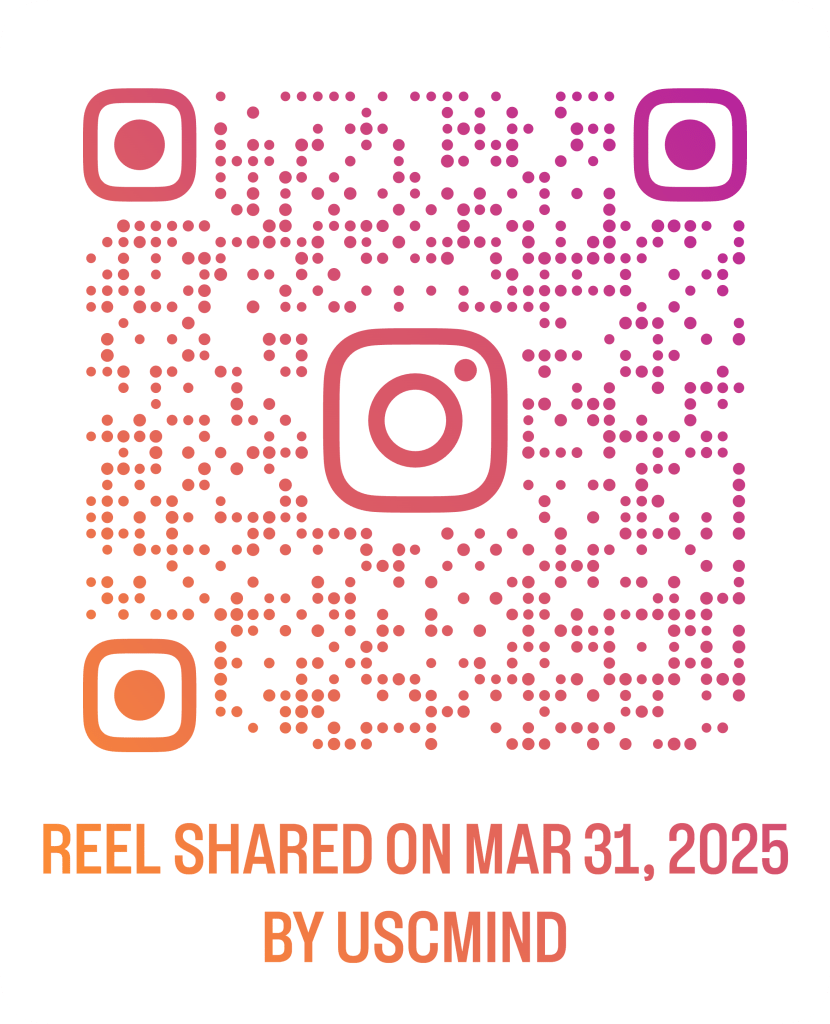
During both times of the challenge, the short-form, replicable, and public ways of the format made it very susceptible to rapid circulation. I also think that it provided a personal, fun way to get a foot into social responsibility for a lot of people. It was fairly easy to participate in the challenge, visually engaging and humorous, and the nominations encouraged the spread of the campaign. People, most of the time, want to see and do good, so they participated and shared a challenge that uplifted that.
In regards to the reading for this activity, I don’t believe that the founders of the ALS ice bucket challenge were anticipated the global virality of their challenge, but the structure and format of the campaign allowed for a fairly easy recomposition. I think that many of the remixes of the ALS ice bucket challenge could be seen as positive appropriations, if they stay within the realm of support and awareness for amyotropic lateral sclerosis. In other instances, like parodies or ‘copycat’ challenges like the MIND ice bucket challenge can be seen as neutral or negative appropirations of the challenge. As they are actively shifting the attention away from the orginial cause. But I do think that these examples show how rhetoric can evolve pass the author’s intentions.
Activity #7

 Emm's Digital Library
Leave a comment