Expanding upon the discussion we had in groups during class, as well as the overarching point of Aja Y. Martinez’s, “The Responsibility of Privilege: A Critical Race Counterstory Conversation,” I felt inclined to talk about something personal to me; being a Humanities (literature) major at a highly STEM-focused institution. The conversation always goes the same: people ask what my major is, I reply, they follow up with “what are going to do with that here?” Or they give me a sympathetic smile that comes across as a silent pity. I find myself compensating for the awkwardness by playing into the ideas they’re suggesting… “Oh yeah, I know I’ll probably have to move away to find a job in my field, or get a remote position.” I have learned how to remain positive in a place that values data and research over ‘stories’ (I know that writing involves research, they don’t).

Within her essay, Martinez refers to counterstory’s as, “theoretically grounded research approach that draws on an interdisciplinary approach with roots in ethnic studies, women’s studies, sociology, history, the humanities, and the law” (Martinez, 213). That distinction of counterstory’s being interdisciplinary is imporant to me, because a lot of humanities are intersecting, as well. They are essentially built on this belief that you can’t boil the world down to one framework; there has to be overlap and working together. At MSU, the impression I’ve built is that the most success is gained through solving equations and building algorithms, whereas the Humanities are seen as something extra, like an elective; cool but not necessary or productive.
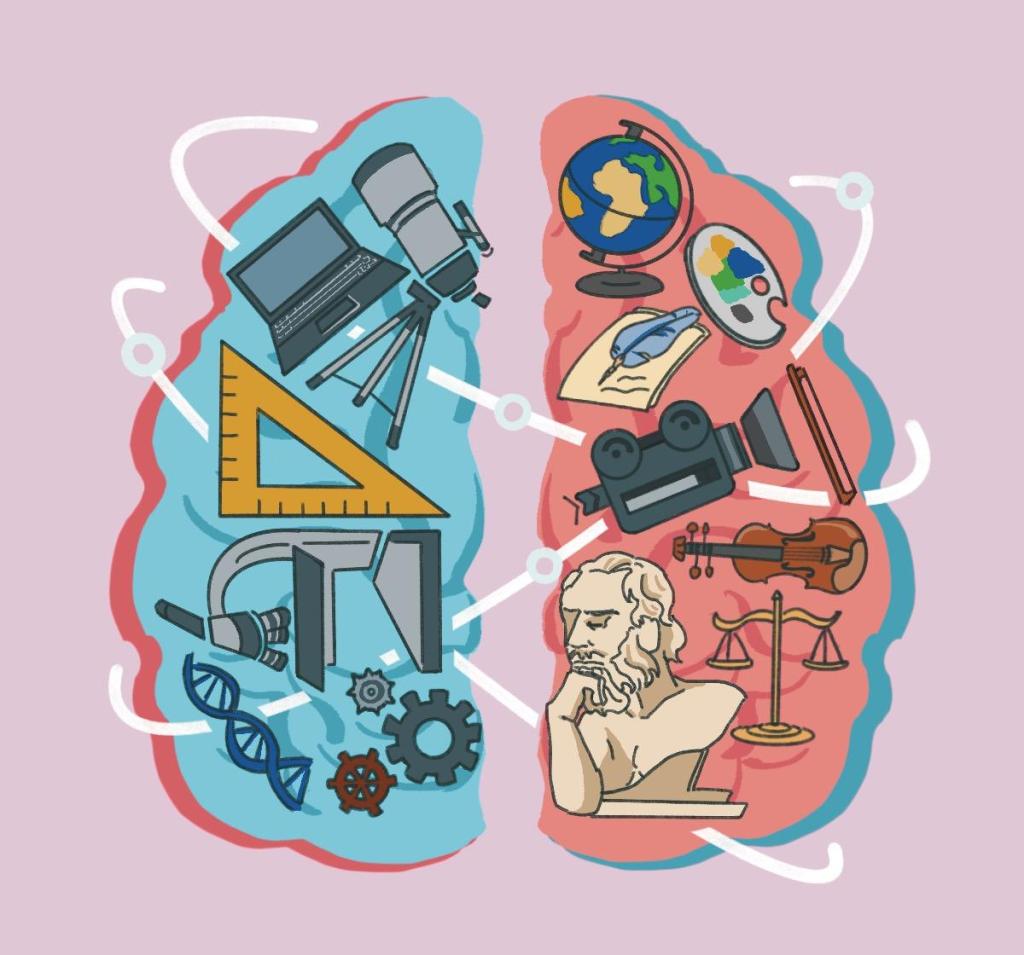
Digitally, Martinez uses visuals like stock photos, personal photos, and screenshots in order to convey the ideas that larger institutions try to push to the side and ignore. I would like to put forth the idea that Humanities give reason to why and how (ethically) STEM-based practices do the things they do. Being a Humanities major at a STEM-focused school means that there’s extra adjusting to be done in order to persuade, justify, and perform rhetorically in an environment that counts success as what can be calculated. As Martinez and her assertion suggests, the strength of the Humanities and counterstories is seen through their intersections, resistance, and diversity. So my counterstory is that I study humanities because those stories are the oldest data we have; they’ve been here before machines and will be here long after.

Blog #8

 Emm's Digital Library
Leave a comment